
Heel and foot · San Juan de Alicante
Plantar fasciitis: walk without heel pain
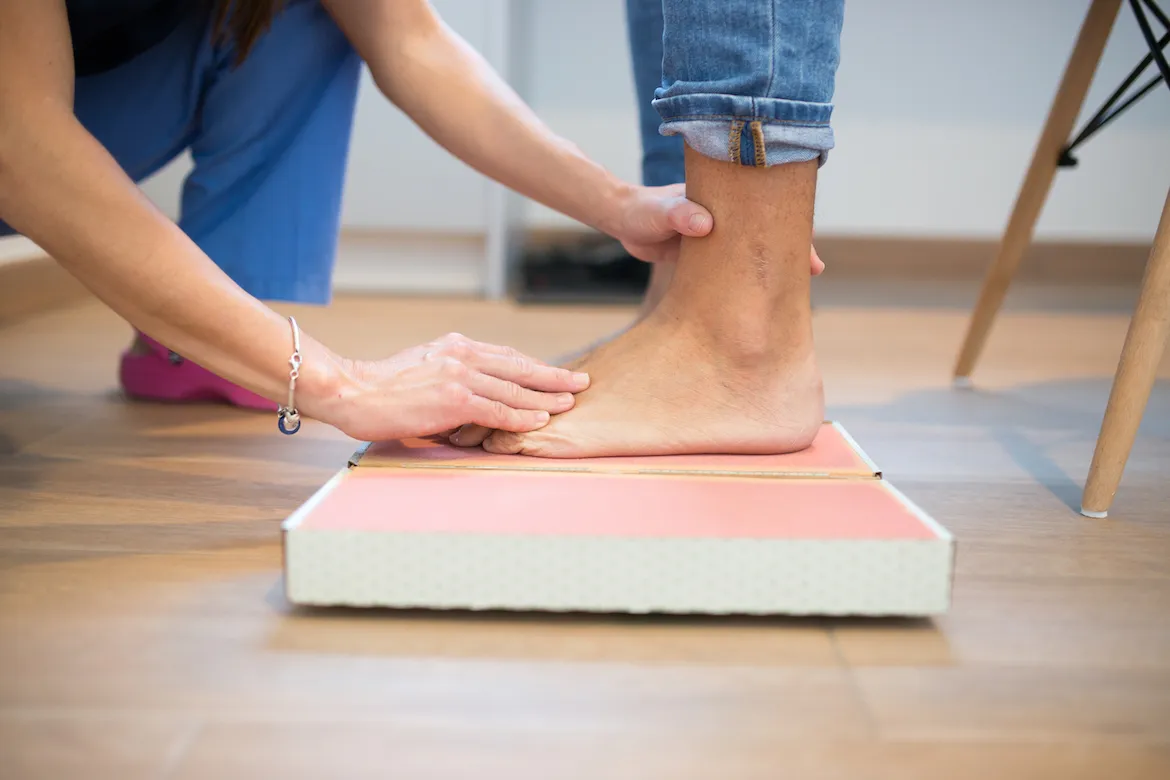
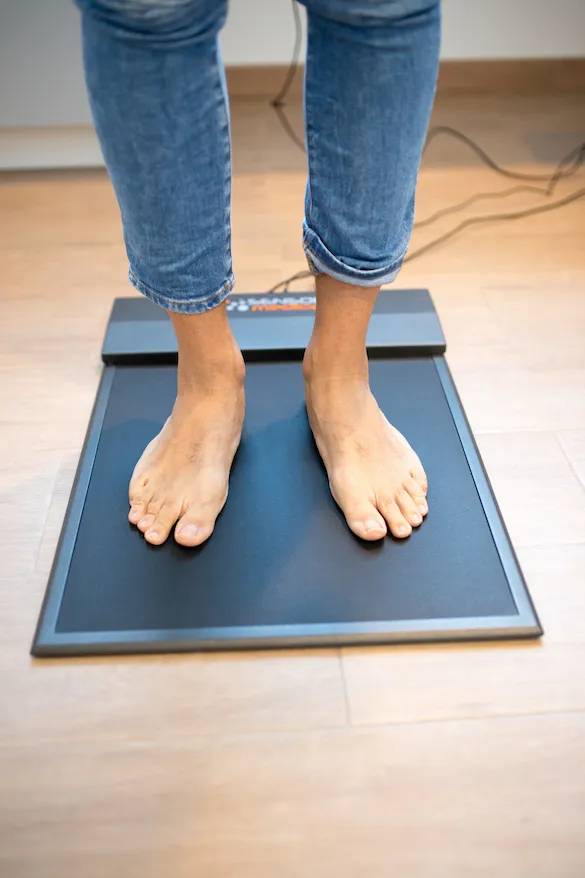
Heel pain with your first steps in the morning is the classic sign. We treat it with physiotherapy: ultrasound to see the fascia, shockwave or EPI® for the tissue and loading exercise.
Typical signs
- Heel pain when you get up
- It eases after walking a while and comes back at the end of the day
- It hurts after running or standing for long
- An X-ray showed a heel spur
What the treatment includes
Ultrasound
We look at the fascia and compare it with the other foot.
Learn more →Shockwave therapy
For long-standing plantar fasciitis.
Learn more →Ultrasound-guided EPI®
When the fascia is thickened on ultrasound.
Learn more →Loading exercise
Strengthening the fascia and the muscles of the foot and calf.
Step by step
Ultrasound
We measure the thickness of the fascia and compare it with the other foot.
Load and footwear
We review your daily activity and footwear to reduce the load on the fascia.
Treatment
Shockwave or EPI® plus exercise.
Back to running
Progressive loading if you are a runner.
Techniques we use
Shockwave therapy
Radial shockwave therapy for chronic tendinopathies, plantar fasciitis and calcifications.
Ultrasound-guided EPI®
Ultrasound-guided percutaneous electrolysis for tendinopathies and soft-tissue injuries.
Musculoskeletal ultrasound
We look at muscles, tendons and ligaments in the clinic to refine the diagnosis and track progress.
Frequently asked questions
Is the heel spur causing the pain?
Not always. Many people have a spur without pain. We treat the fascia and the load, which are usually what hurts.
Do I need insoles?
Not always. If the assessment shows they could help, we will refer you to a podiatrist.
Content reviewed by Francisco Sevila Sánchez, physiotherapist and osteopath (C.O.) · Updated November 2026
Book an appointment: Plantar fasciitis
Message us on WhatsApp and we will reply with the first available appointment. If you prefer, we can call you.
WhatsApp 679 276 344 · Phone 965 29 55 33 · Phone and WhatsApp: Monday to Friday, 9:00–21:00
We also treat
Ankle sprain
A poorly rehabilitated sprain is the most common reason ankles keep rolling.
Knee Unit
Physiotherapists, a sports rehabilitation specialist and an orthopaedic surgeon in the same clinic.
Tennis elbow
Tennis elbow is not just for tennis players: it also appears with padel, manual work and computer use.