
Treatment · San Juan de Alicante
Ultrasound-guided EPI® in Alicante
Ultrasound-guided percutaneous electrolysis for tendinopathies and soft-tissue injuries.
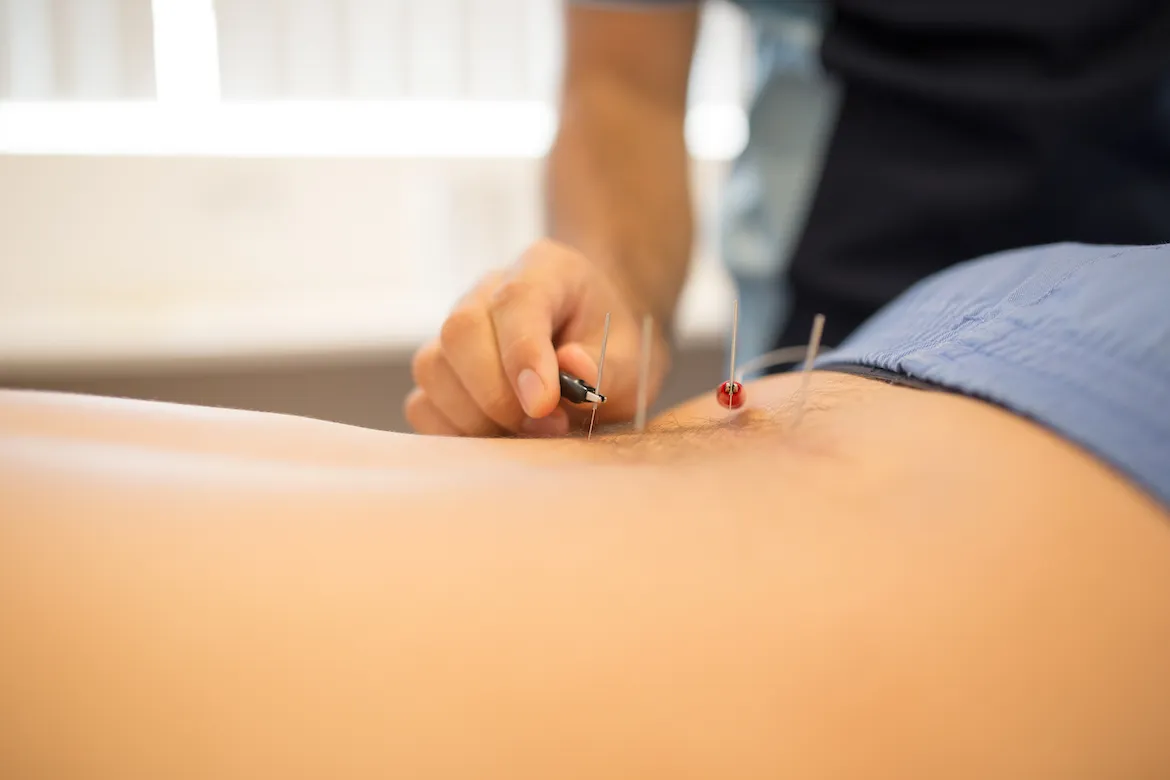
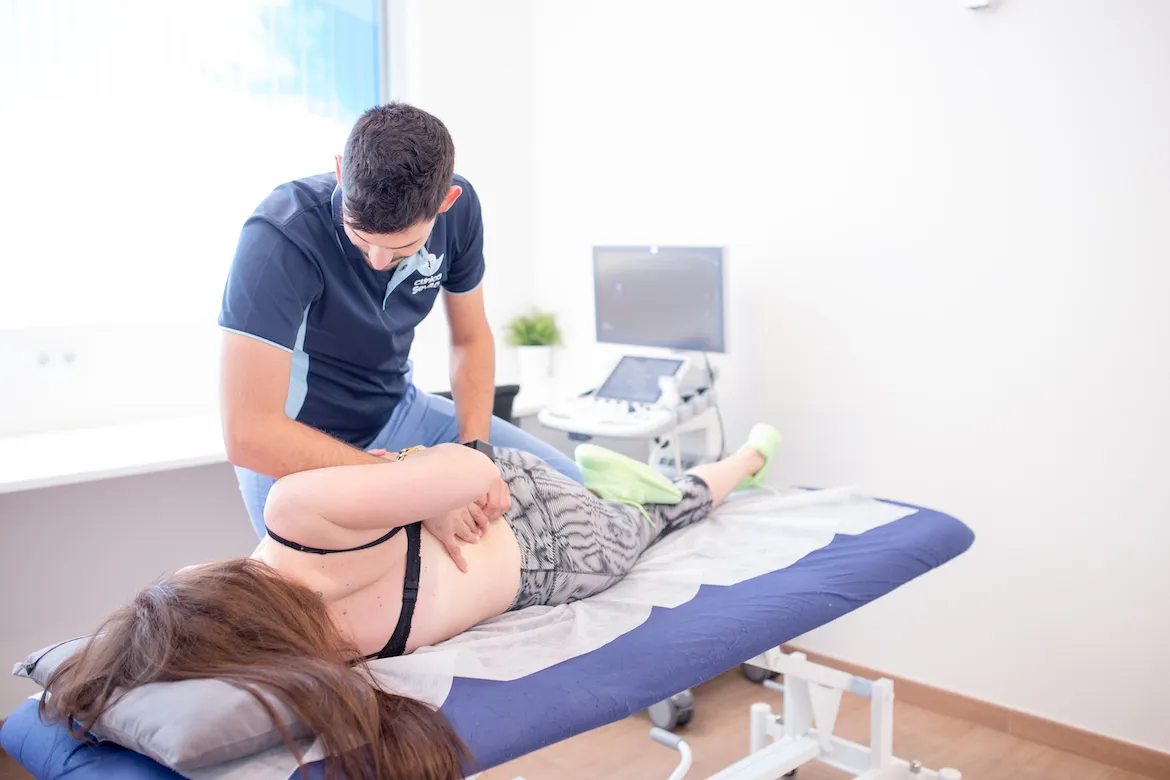
What it is and how we use it
Intratissue Percutaneous Electrolysis (EPI®) applies a galvanic current through a fine needle directly into the injured tissue. Ultrasound lets us see in real time where the injury is and where we apply it.
It is mainly used for long-standing tendinopathies and is always combined with a progressive loading exercise programme.
Before applying it we perform an ultrasound scan to locate the exact area of the tendon or fascia that is affected and compare it with the healthy side. That way the needle only goes where it is needed and we can see how the tissue changes in later sessions.
EPI® does not replace exercise: it helps restart repair in tissue that has been stuck for a while. The progressive loading programme we prescribe is what prepares the tendon to cope with your activity or sport again.
Used for
- Patellar tendinopathy
- Plantar fasciitis
- Tennis elbow
- Shoulder tendinopathy
- Achilles tendinopathy
- Carpal tunnel syndrome
Frequently asked questions
Does EPI® hurt?
You feel an intense but brief discomfort, lasting a few seconds, during the application. Some soreness may remain in the area for a day or two.
How many sessions are needed?
It is usually applied over a few sessions, one or two weeks apart, always together with exercise. After the ultrasound we give you an estimate for your case.
Can I keep training?
Usually yes, with adjusted load. We tell you what you can do and what to reduce while the tendon recovers.
When is it not suitable?
We do not apply it in some situations such as pregnancy, a pacemaker, infection in the area or a strong fear of needles. We check this during the assessment.
Content reviewed by Francisco Sevila Sánchez, physiotherapist and osteopath (C.O.) · Updated November 2026
We use it in
Knee Unit
Physiotherapists, a sports rehabilitation specialist and an orthopaedic surgeon in the same clinic.
See →Shoulder pain
The shoulder is the most mobile joint in the body and one of the most painful when something goes wrong.
See →Plantar fasciitis
Heel pain with your first steps in the morning is the classic sign.
See →Tennis elbow
Tennis elbow is not just for tennis players: it also appears with padel, manual work and computer use.
See →Wrist and hand (De Quervain)
Holding your baby, texting, typing or playing padel: the wrist and thumb work all day and their tendons feel it.
See →Padel
Padel is all twists, sudden stops and overhead shots, and every match loads your elbow, shoulder and calves.
See →Running
Most running injuries appear when training load grows faster than your tissues can handle.
See →Handball
Throws, contact, jumps and feints: handball demands a lot from the shoulder, knee and ankle.
See →Volleyball
Jumps, spikes and blocks, indoors or on the beach.
See →Book an appointment: Ultrasound-guided EPI®
Tell us what is going on and we will tell you whether this treatment is right for you.
WhatsApp 679 276 344 · Phone 965 29 55 33 · Phone and WhatsApp: Monday to Friday, 9:00–21:00